1. හැඳින්වීම
This manual provides essential information for the proper setup, operation, and maintenance of the CC1101TR4S Wireless Transceiver Module. This module is designed for reliable wireless communication in various applications, supporting multiple frequency bands and modulation methods.
2. නිෂ්පාදන අවසන්view
The CC1101TR4S is a versatile wireless transceiver module capable of operating at 433MHz and 868MHz, with customization options for 315MHz and 915MHz. It features efficient GFSK modulation, robust anti-interference capabilities, and built-in hardware CRC error detection, making it suitable for industrial control environments. The module supports FSK, GFSK, and MSK modulation methods and offers high receive sensitivity up to -110dBm at 1.2kbps.
ප්රධාන ලක්ෂණ ඇතුළත් වේ:
- මෙහෙයුම් සංඛ්යාත: 433MHz / 868MHz (customizable to 315MHz / 915MHz).
- මෙහෙයුම් වෙළුමtage: 3.3V.
- Maximum Operating Rate: 500kbps.
- Modulation Methods: FSK, GFSK, MSK.
- සංවේදීතාව ලබා ගන්න: Up to -110dBm at 1.2kbps.
- වත්මන් පරිභෝජනය: TX Mode (<30mA at +10dBm), RX Mode (20mA), Sleep Mode (1uA).
- දෝෂ හඳුනාගැනීම: Built-in hardware CRC.
- ඇන්ටෙනා සහාය: Spring antenna, rod antenna, whip antenna, RF interface cable (selection depends on application environment).
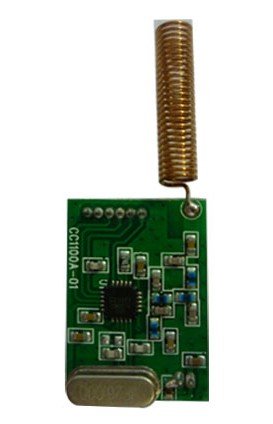
Figure 1: CC1101TR4S Wireless Transceiver Module. This image shows the compact module with its pin headers, ready for integration into a circuit board.
3. පිරිවිතර
| විශේෂාංගය | වටිනාකම |
|---|---|
| ආදර්ශ අංකය | CC1101TR4S (Yu-szwx447) |
| මෙහෙයුම් වෙළුමtage | 3.3V |
| මෙහෙයුම් සංඛ්යාත | 433MHz / 868MHz (Customizable 315M / 915M) |
| Max Operating Rate | 500kbps |
| Modulation Methods | FSK, GFSK, MSK |
| සංවේදීතාව ලබා ගන්න | -110dBm (at 1.2kbps) |
| TX Mode Current (+10dBm) | < 30mA |
| RX Mode Current | 20mA |
| Sleep Mode ධාරාව | 1uA |
| Module Dimensions (without antenna) | 23.4 x 16.3 මි.මී |
| පින් පිට්ටනිය | 1.27 මි.මී |
| අයිතමයේ බර | 1.1 pounds (approx. for lot) |
| නිෂ්පාදකයා | Taida |
4. පිහිටුවීම
Follow these steps to integrate and set up your CC1101TR4S module:
- සත්කාරක පද්ධතිය සකස් කරන්න: Ensure your microcontroller or host system is ready to interface with the module via SPI (Serial Peripheral Interface).
- බල සම්බන්ධතාවය: Connect the module's VCC pin to a stable 3.3V power supply and GND to ground. Ensure the power supply can provide the necessary current (up to 30mA during TX).
- SPI Interface: Connect the module's MOSI, MISO, SCK, and CSN pins to the corresponding SPI pins on your host system.
- GDO Pins: Connect the GDO0 and GDO2 pins to interrupt-capable pins on your host system if you plan to use interrupt-driven communication (e.g., for packet reception or clear channel assessment).
- ඇන්ටෙනා සම්බන්ධතාවය: Attach the appropriate antenna for your application and frequency band (e.g., 433MHz or 868MHz spring antenna). Ensure the antenna is securely connected to the module's RF output.
- මෘදුකාංග වින්යාසය: Initialize the CC1101 registers via SPI to set desired frequency, data rate, modulation type (GFSK, FSK, MSK), output power, and other parameters. Refer to the CC1101 datasheet for detailed register descriptions.
5. මෙහෙයුම් උපදෙස්
Once the module is set up and configured, you can begin transmitting and receiving data:
- සම්ප්රේෂණ මාදිලිය:
- Write data to the TX FIFO buffer via SPI.
- Issue the STX (Start Transmit) command.
- The module will automatically transmit the data. Monitor GDO0/GDO2 for packet sent indication if configured.
- ලැබීමේ මාදිලිය:
- Issue the SRX (Start Receive) command.
- The module will enter receive mode and listen for incoming packets.
- When a packet is received, GDO0/GDO2 can signal an interrupt.
- Read data from the RX FIFO buffer via SPI.
- Frequency Hopping/Channel Switching: To change operating frequency or channel, update the frequency registers via SPI. Ensure both transmitting and receiving modules are synchronized to the same frequency.
- බල කළමනාකරණය: Utilize the SLEEP and IDLE states to conserve power when the module is not actively transmitting or receiving.
6. නඩත්තු කිරීම
The CC1101TR4S module is designed for robust operation with minimal maintenance. Adhere to the following guidelines:
- පාරිසරික තත්ත්වයන්: මොඩියුලය එහි නිශ්චිත උෂ්ණත්ව හා ආර්ද්රතා පරාසයන් තුළ ක්රියාත්මක කරන්න. අධික උෂ්ණත්වයන්, තෙතමනය හෝ විඛාදන පරිසරයන්ට නිරාවරණය වීමෙන් වළකින්න.
- භෞතික හැසිරවීම: Handle the module with care to prevent physical damage to components or solder joints. Avoid bending or stressing the antenna connection.
- පිරිසිදු කිරීම: අවශ්ය නම්, වියළි මෘදු රෙද්දකින් මොඩියුලය මෘදු ලෙස පිරිසිදු කරන්න. දියර පිරිසිදු කරන්නන් හෝ ද්රාවක භාවිතා නොකරන්න.
- ඇන්ටෙනා අඛණ්ඩතාව: Periodically check the antenna for damage or loose connections. A damaged antenna can significantly reduce performance.
7. දෝශ නිරාකරණය
If you encounter issues with your CC1101TR4S module, consider the following common problems and solutions:
| ගැටලුව | විය හැකි හේතුව / විසඳුම |
|---|---|
| No communication between modules. |
|
| Poor range or intermittent connection. |
|
| Module not responding to SPI commands. |
|
8. වගකීම් සහ සහාය
Specific warranty information for this product is not provided in the available documentation. For warranty claims, technical support, or further assistance, please contact the seller or manufacturer directly. Ensure you have your purchase details and model number (CC1101TR4S / Yu-szwx447) ready when seeking support.


